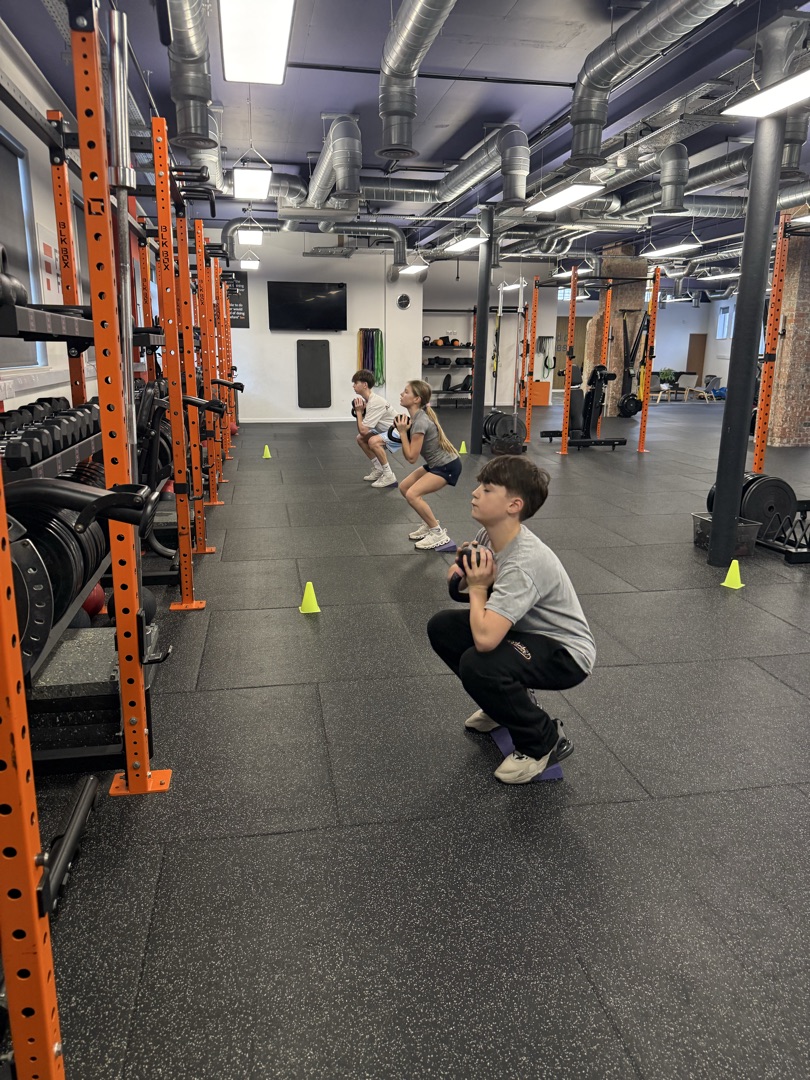
One of the most persistent myths in youth sport is that strength training “stunts growth” or is unsafe for children. The research says the opposite. Decades of evidence — and the official position of bodies like the NSCA — confirm that well-coached resistance training is one of the safest and most beneficial activities a young athlete can do. The key words are well-coached: appropriate technique, sensible loading, and qualified supervision.
What the science actually shows
When training is age-appropriate, young athletes get stronger, move better, and — importantly — reduce their risk of injury. Strength work improves bone density, tendon resilience, and neuromuscular control, all of which protect growing bodies during the demands of sport. Far from being dangerous, structured strength training has a lower injury rate than most of the sports children already play.
It’s about movement, not maxing out
Youth strength training is not about lifting the heaviest weight possible. For an 8–12 year old, the focus is on movement literacy — squatting, hinging, pushing, pulling and bracing with good control, often using bodyweight, light loads or playful, game-based drills. As athletes mature through their teens, load and complexity increase gradually, always following the athlete’s developmental stage rather than their age on paper.
Building athletes for the long term
We follow Long-Term Athletic Development (LTAD) principles, which means we build a broad physical foundation first and specialise later. A young athlete who can move well, produce force safely and trust their body will not only perform better today — they’ll have a longer, healthier athletic career. Strength training, done properly, is the bedrock of that journey.