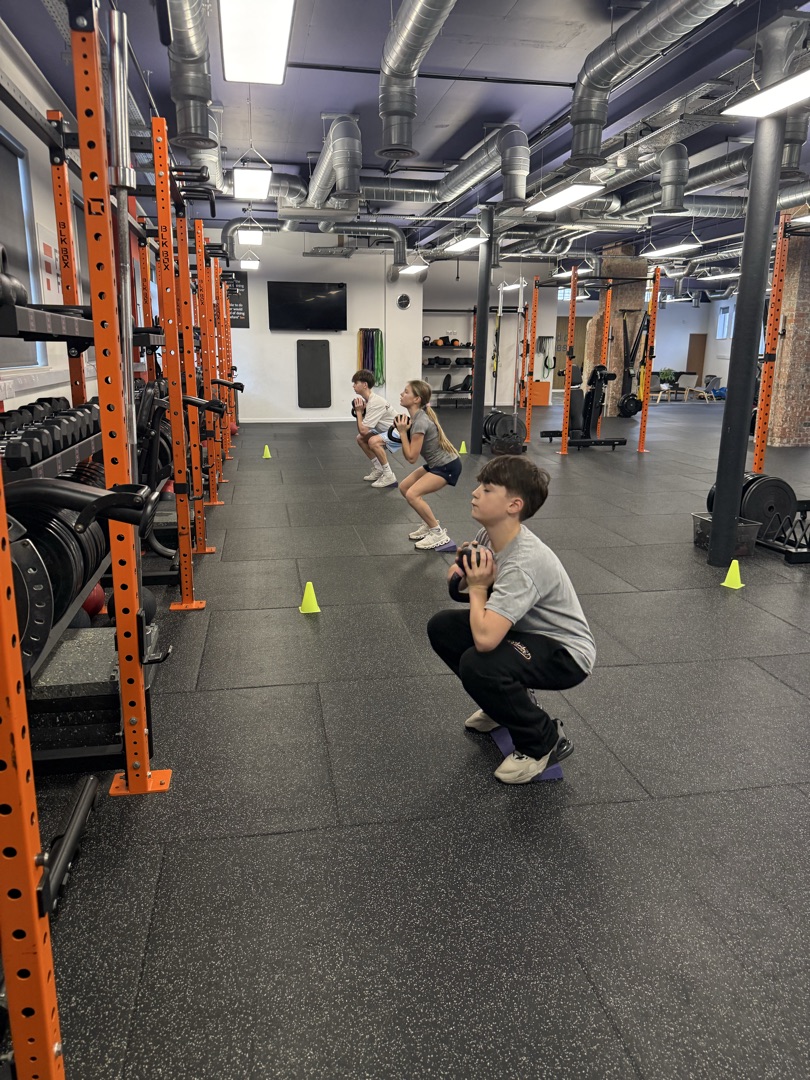
It is one of the most stubborn myths in fitness: that lifting weights is somehow dangerous or unnecessary for children. This article from the NSCA's Personal Training Quarterly sets out to dismantle that idea and make the case that resistance training is not just acceptable for young people — it is one of the most valuable things they can do for their long-term health.
The authors start with the bigger picture. Youth physical activity has dropped sharply, while childhood obesity and type-2 diabetes have risen, and a sedentary lifestyle remains a leading cause of preventable death. Their argument is that the years when the body is actively growing and maturing are exactly when we should be developing strength — because the benefits compound over a lifetime.
And the benefits are broad. Beyond simply getting stronger, the article links resistance training in youth to better bone and muscle health (helping to delay sarcopenia and osteoporosis decades later), reduced injury risk in sport and daily life, lowered cardiovascular risk factors, and even improved cognitive performance, self-esteem and sleep quality. Strength, the authors argue, underpins almost every other physical quality.
On the question parents worry about most — growth plates — the evidence is reassuring. The article notes that injuries to growth cartilage typically stem from poor technique, inappropriate loads, and a lack of qualified supervision, not from resistance training itself. It states that no study conducted under expert guidance has resulted in a growth-plate injury, and cites work showing that even one-rep-max testing can be safe and effective in supervised children aged 6–12. The safety message is consistent: technique, sensible intensity, and good coaching are what matter.
There is no magic starting age. The authors point to a child's maturity to follow directions safely — alongside baseline cognitive, neuromuscular and physical readiness — as the real prerequisite. Before puberty, strength gains come mainly from the nervous system learning to recruit muscle; after puberty, hormonal changes add to the picture. Either way, the recommendation is to start with fundamental movement patterns (squat, hinge, push, pull, press) using bodyweight, bands, kettlebells or dumbbells, master technique first, then progress loading gradually — only adding the barbell and heavier intensities once movement is sound.
The "call to action" is aimed squarely at coaches and parents. Lead by example, treat strength training as a normal part of life, and educate young people on why it matters so they buy in for the long term. As qualified professionals, the authors argue, we have a genuine opportunity to reshape the health of the next generation.